

For most homeowners, neither material is automatically “better”. uPVC is usually the stronger choice when upfront value, familiar styling and low-maintenance performance are the priority. Aluminium is often preferred when slimmer frames, larger areas of glass, structural strength and a more contemporary finish matter most. Thermal performance and security depend on the complete window system, glazing and specification, not the frame material alone.
At Chigwell Window Centre, we manufacture and install both aluminium windows and uPVC windows, so the right choice should be based on your home, budget, design preferences and performance requirements rather than a one-size-fits-all recommendation.
uPVC vs Aluminium Windows at a Glance
Factor
uPVC windows
Aluminium windows
Appearance
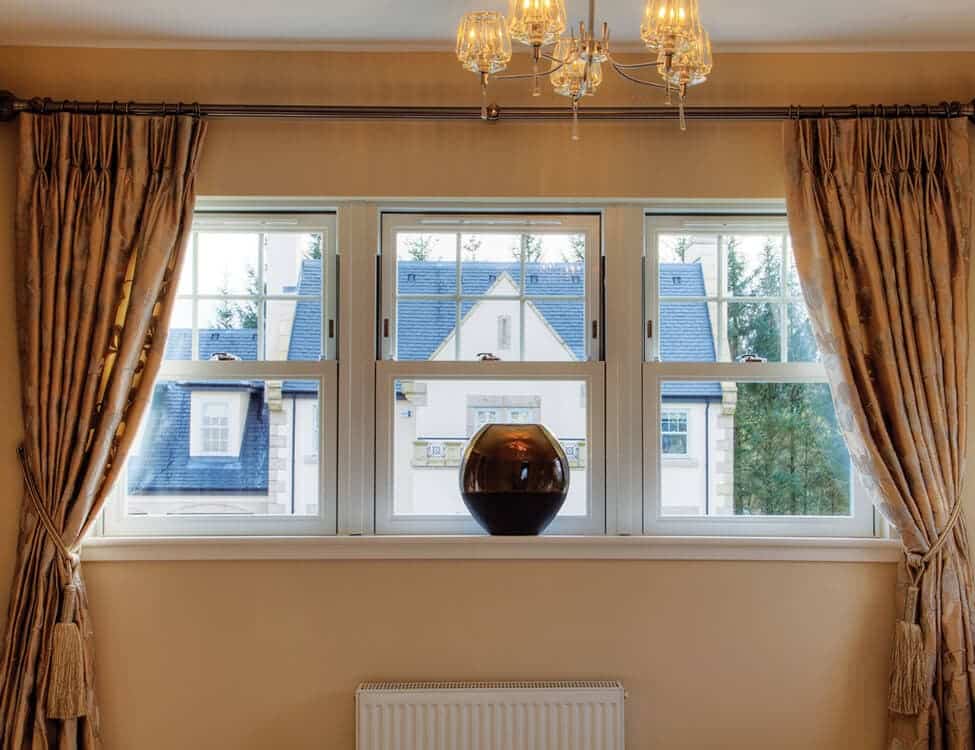
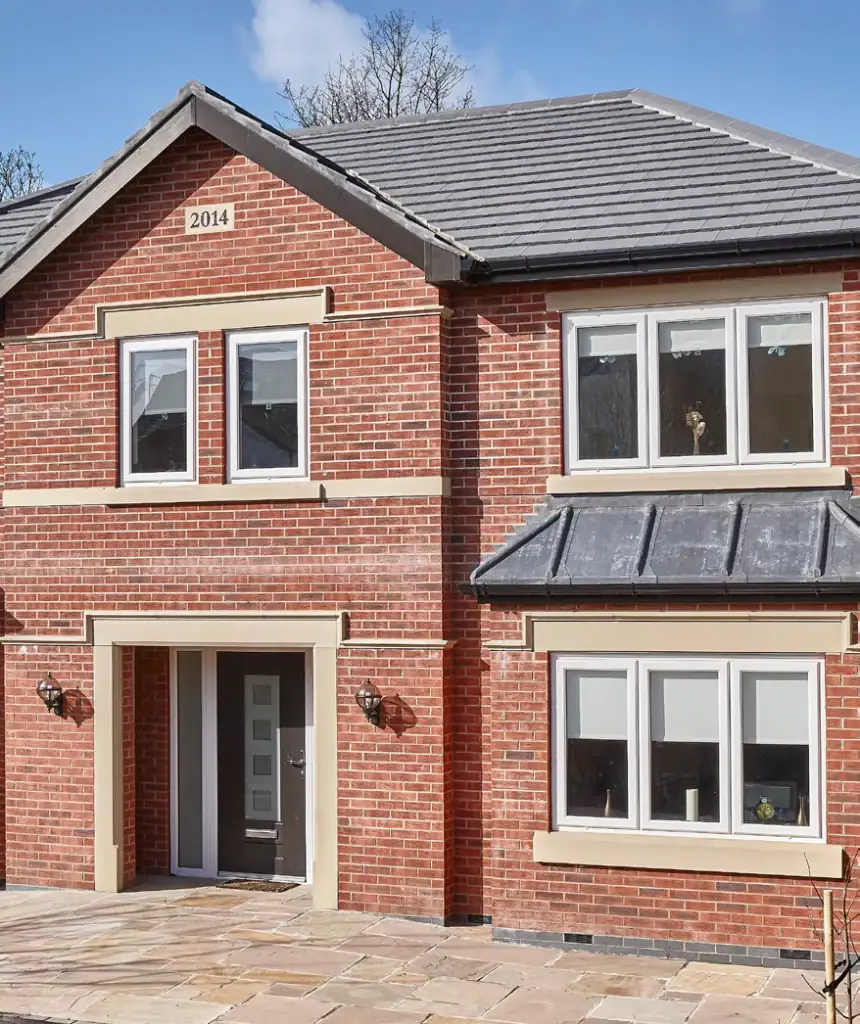
Versatile, with traditional and contemporary finishes available
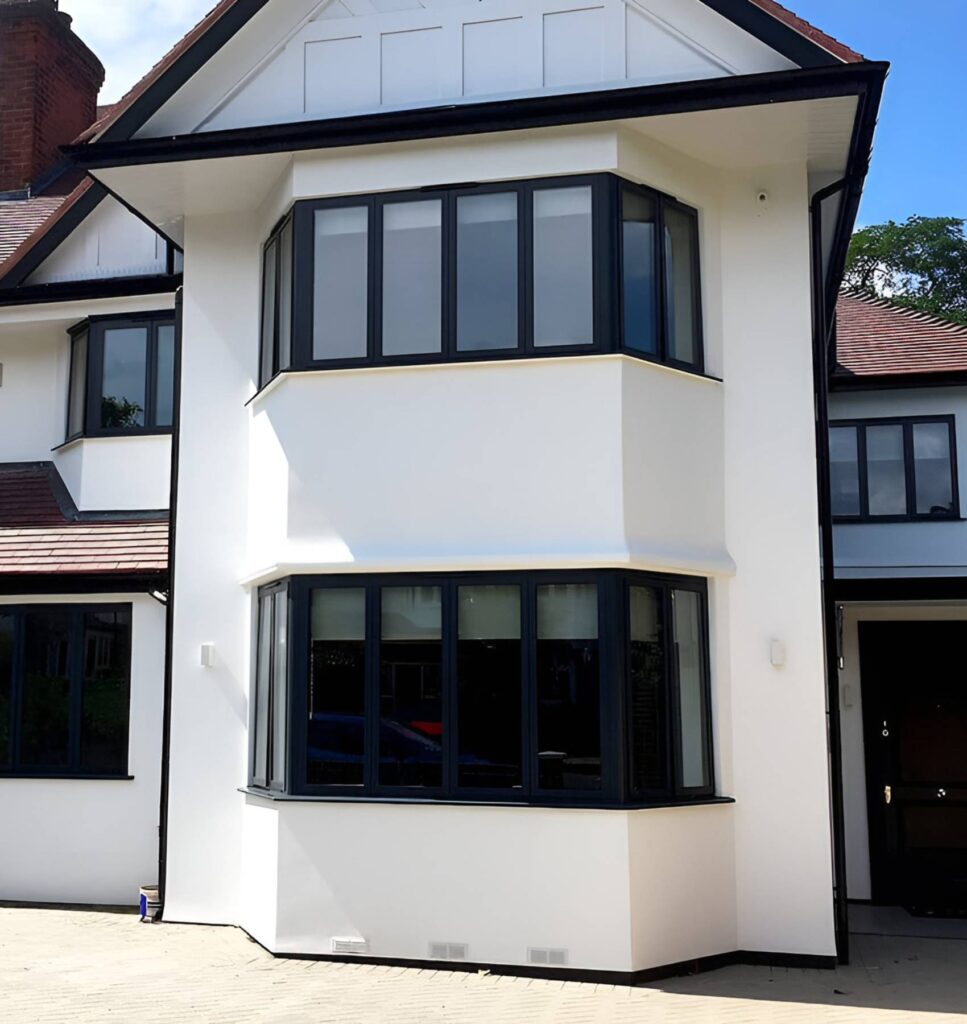
Slim, crisp profiles often chosen for contemporary or design-led projects
Frame proportions
Typically broader profiles
Can support slimmer sightlines and larger glazed areas
Thermal performance
Naturally low-conductivity frame material; performance varies by system and glazing
Modern thermally broken frames can achieve strong thermal performance; compare the actual specification
Maintenance
Low maintenance; routine cleaning is usually sufficient
Low maintenance; powder-coated frames generally need routine cleaning
Durability
Durable and weather resistant when correctly specified and installed
Strong, rigid and well suited to large openings and long-term exposure
Security
Can provide strong residential security with suitable locks, reinforcement and glazing
Strong frame material; overall security still depends on the complete tested window system
Upfront cost
Usually the lower-cost route
Usually positioned as the more premium option
Best suited to
Value-led replacements, traditional styling and whole-home upgrades
Slim sightlines, larger glazing, modern extensions and premium design-led projects
Appearance and Frame Proportions
The visual difference is often the quickest way to separate the two materials.
A broad range of colours and finishes
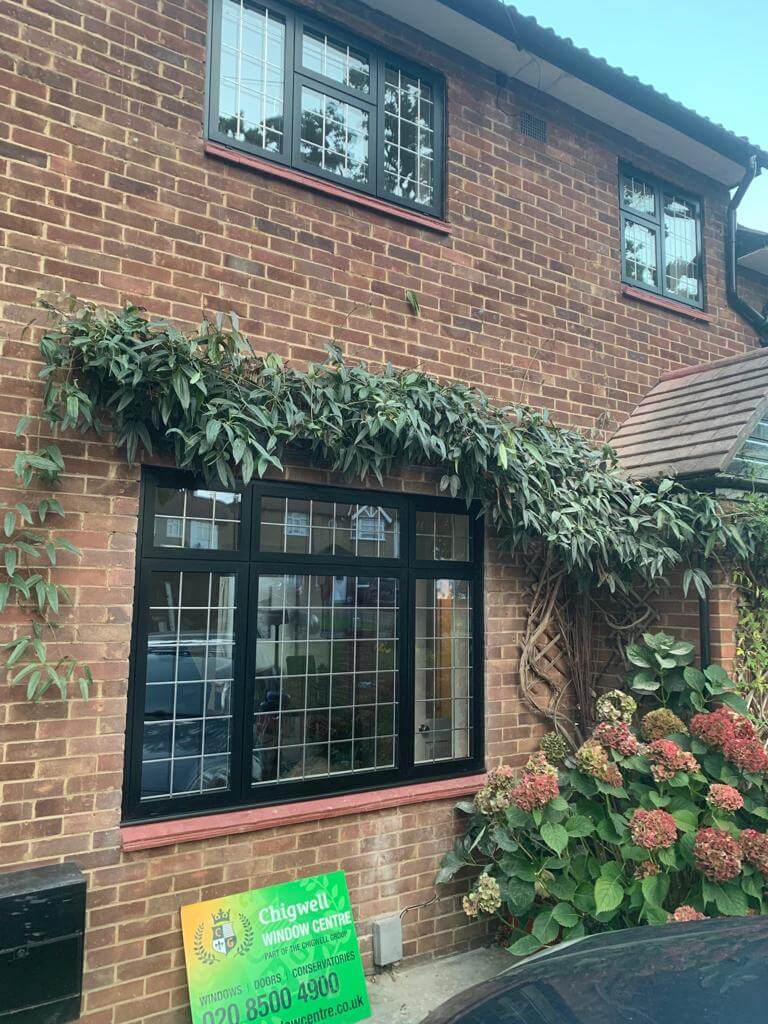
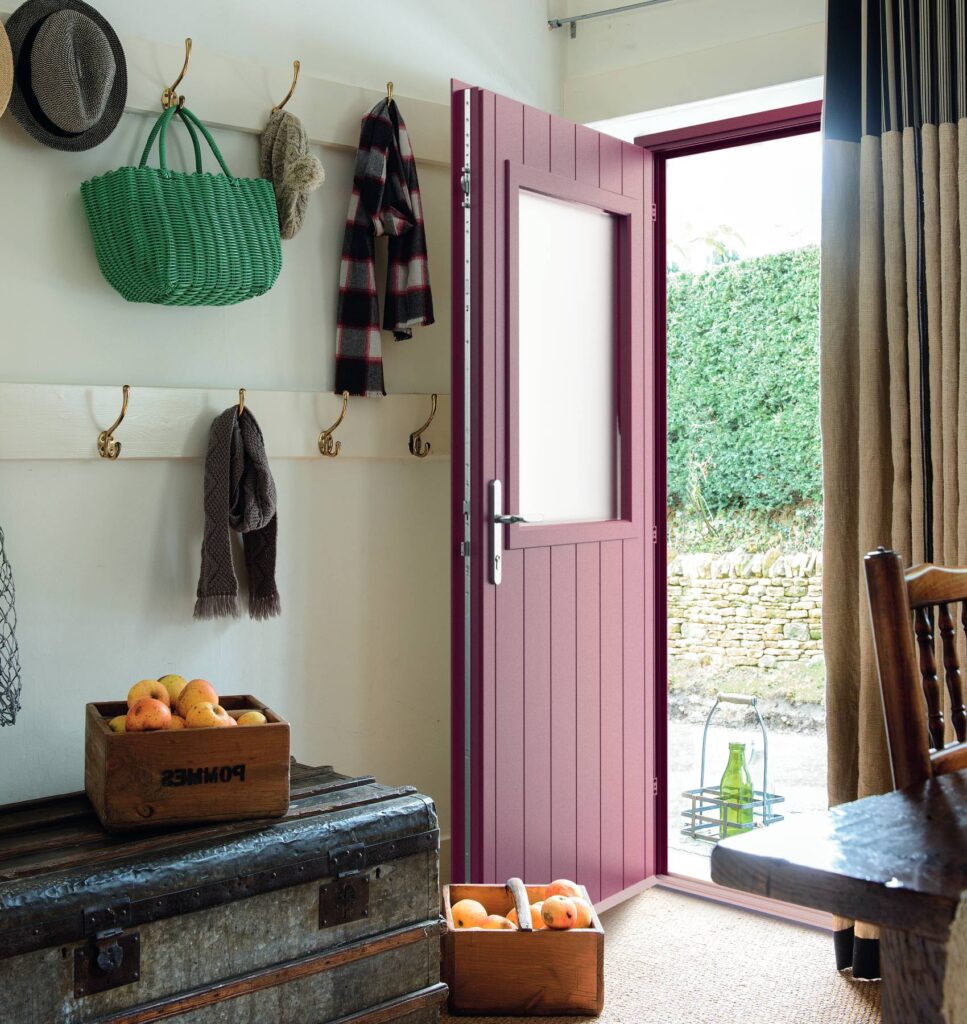
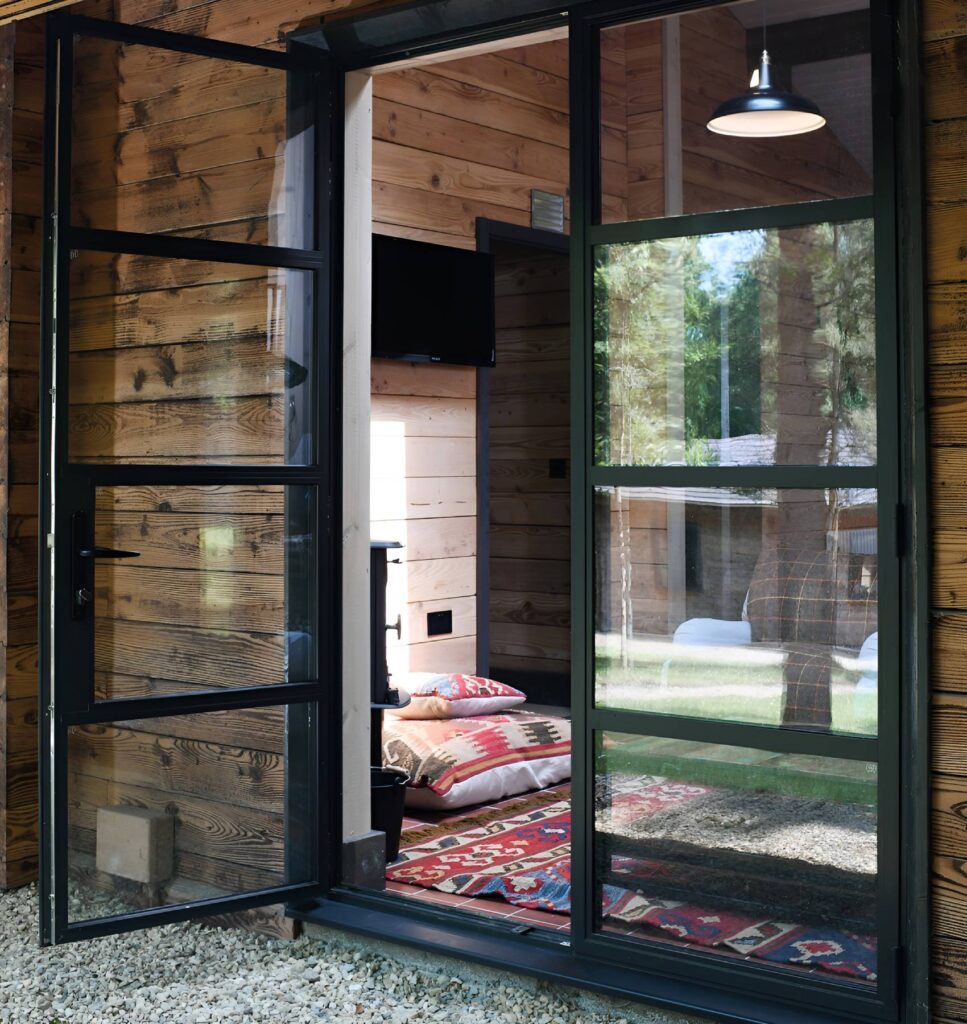
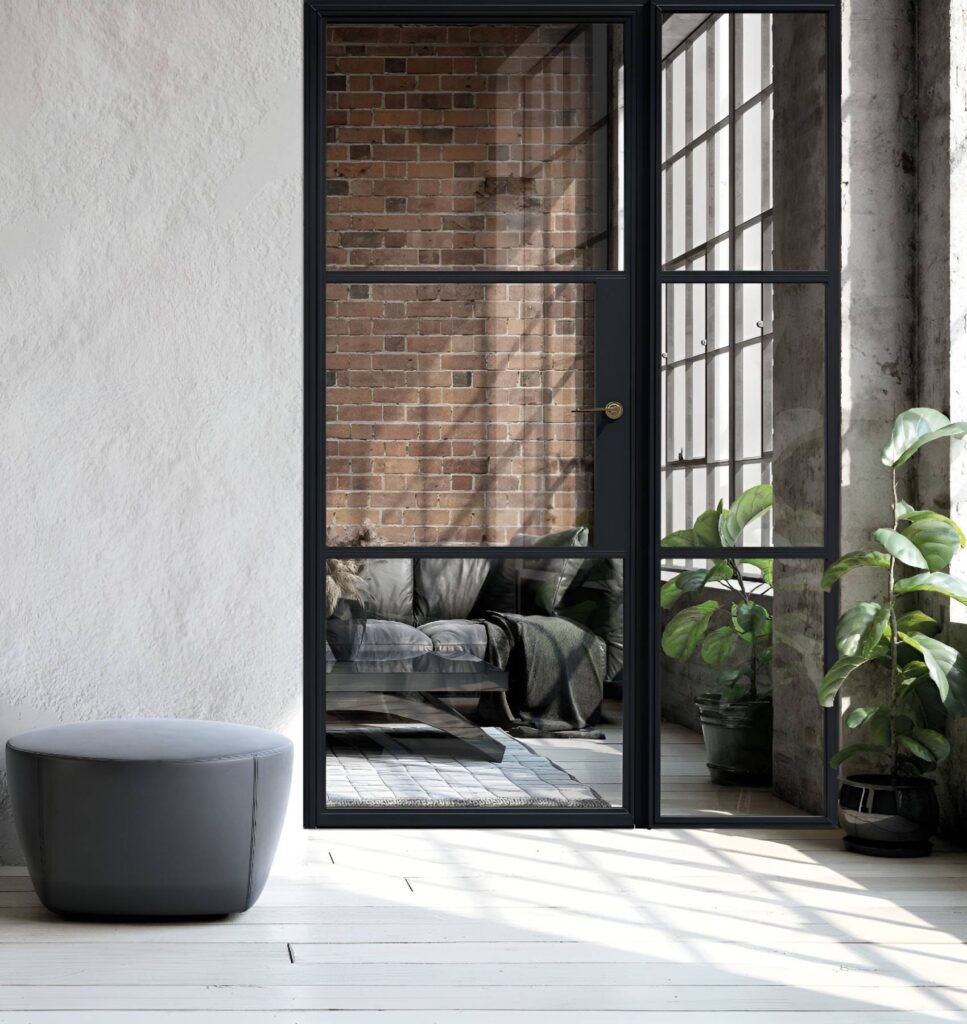
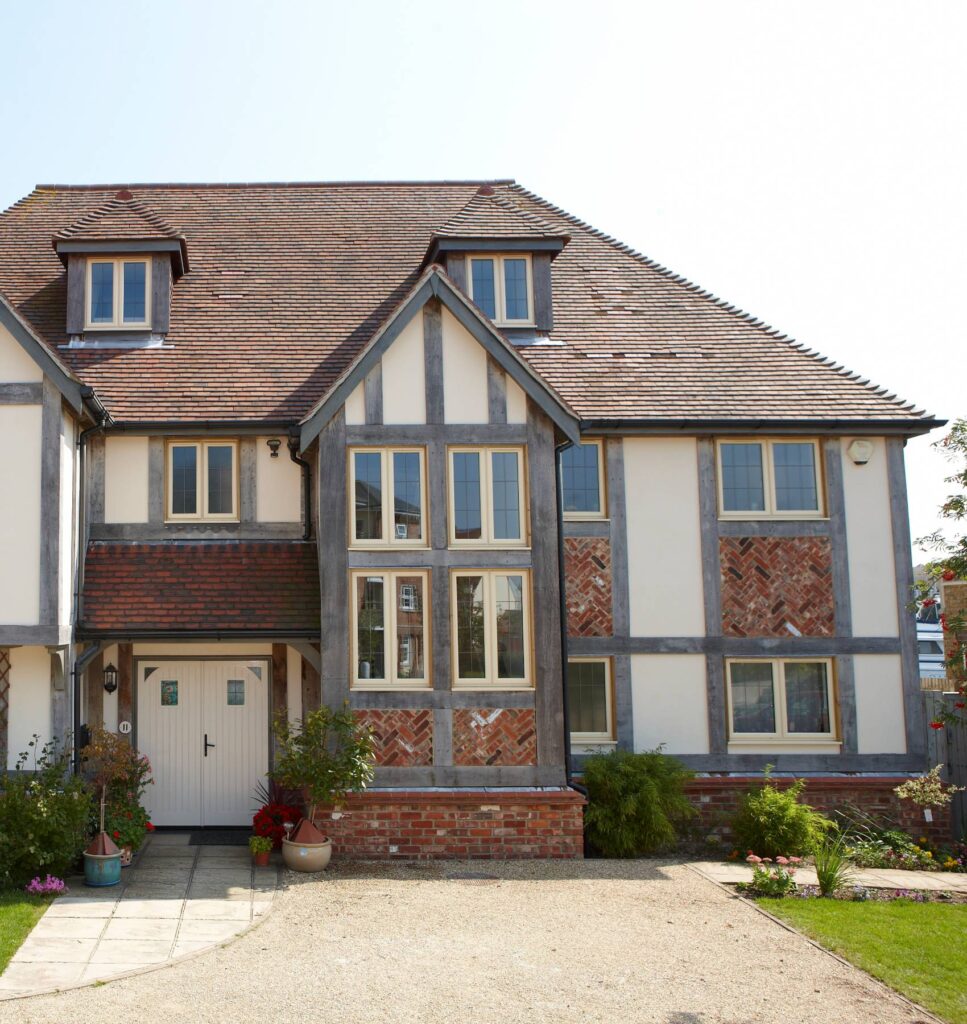
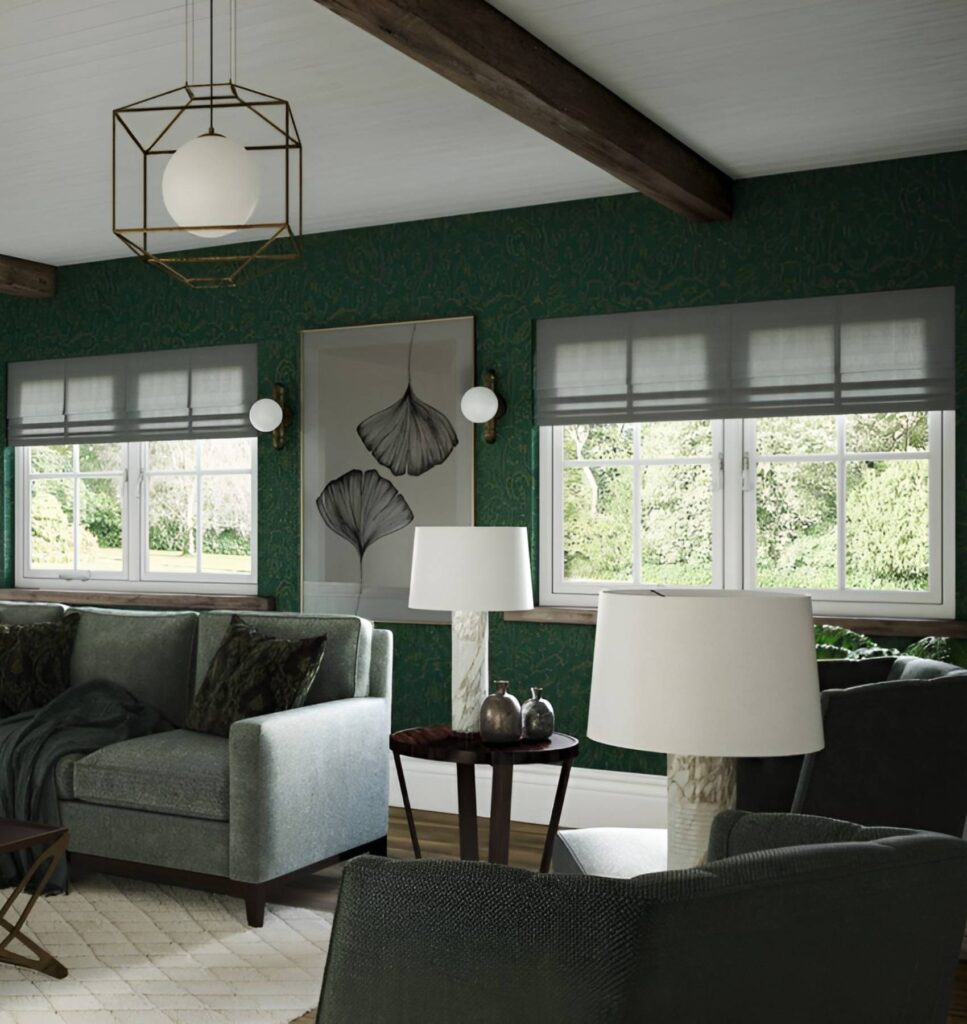
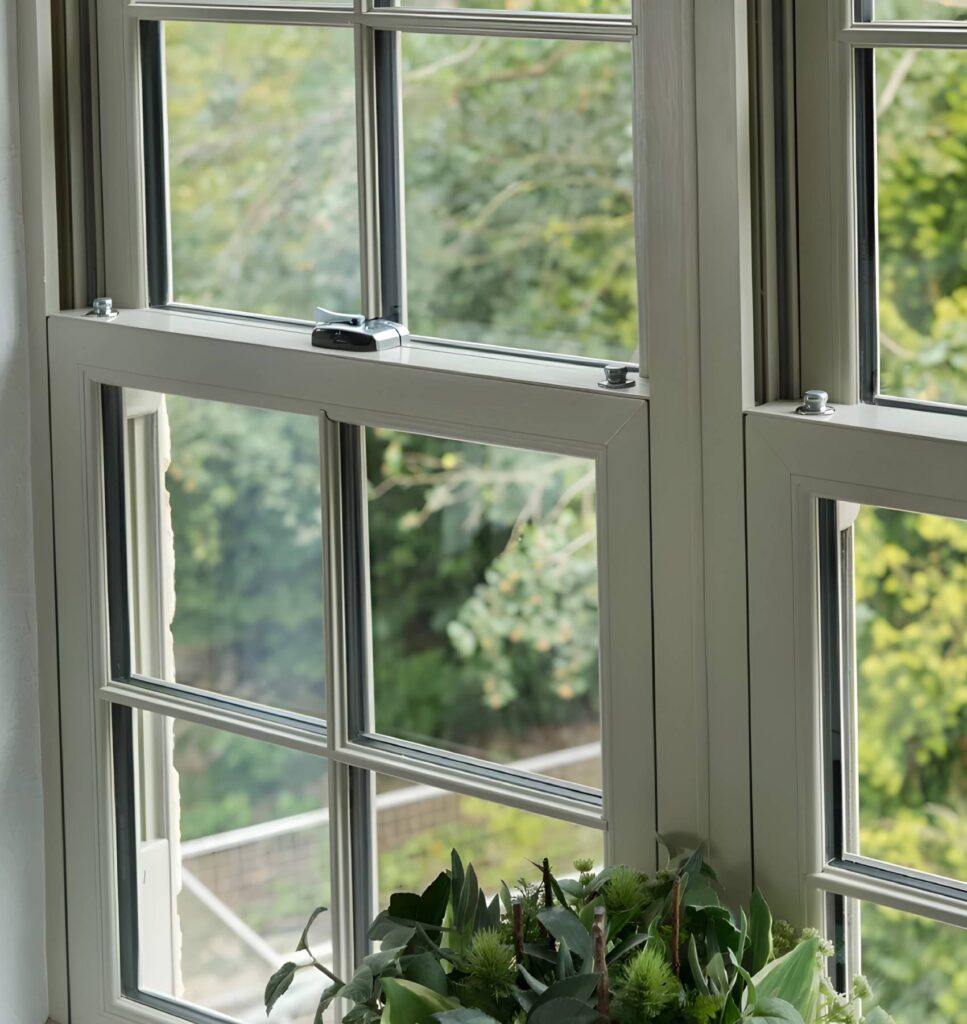
uPVC windows are available in a broad range of colours and finishes, including options designed to suit traditional homes as well as more contemporary properties. They are a practical choice when you want a familiar window style with plenty of design flexibility.
Slimmer profiles, larger glazed areas
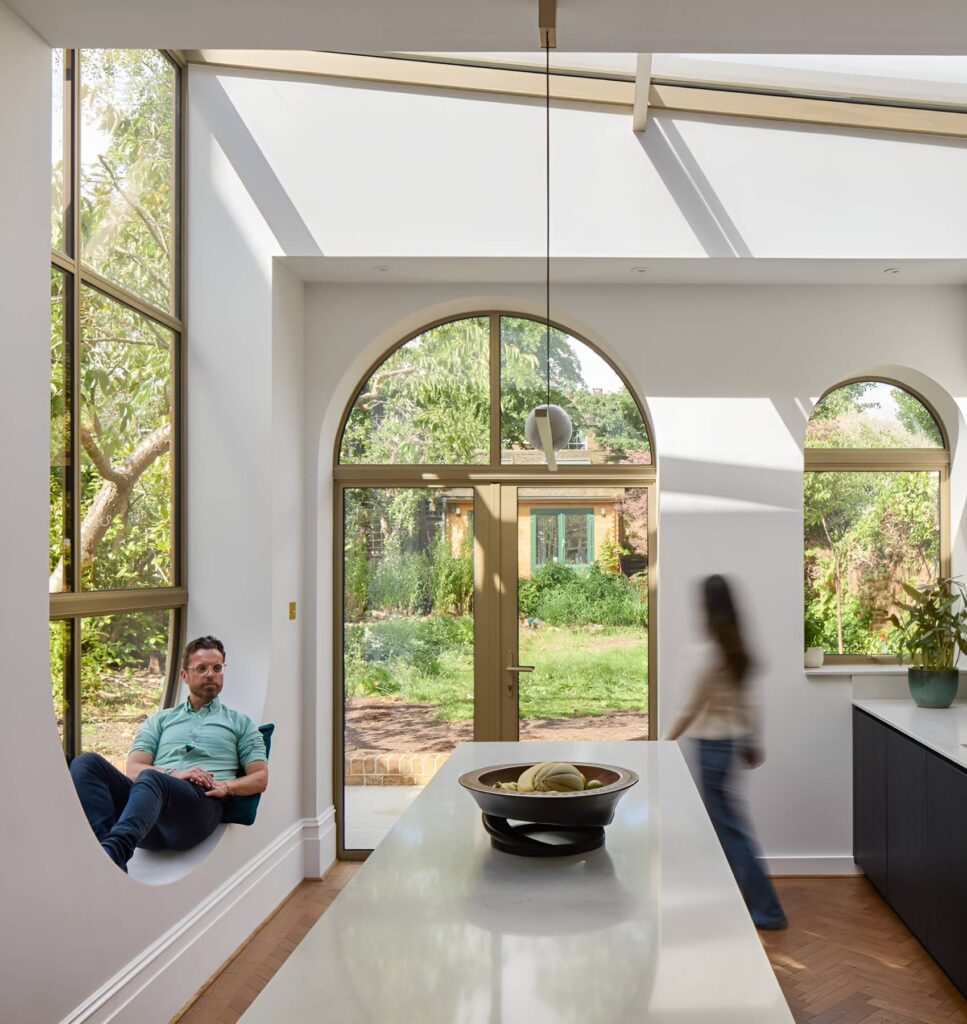
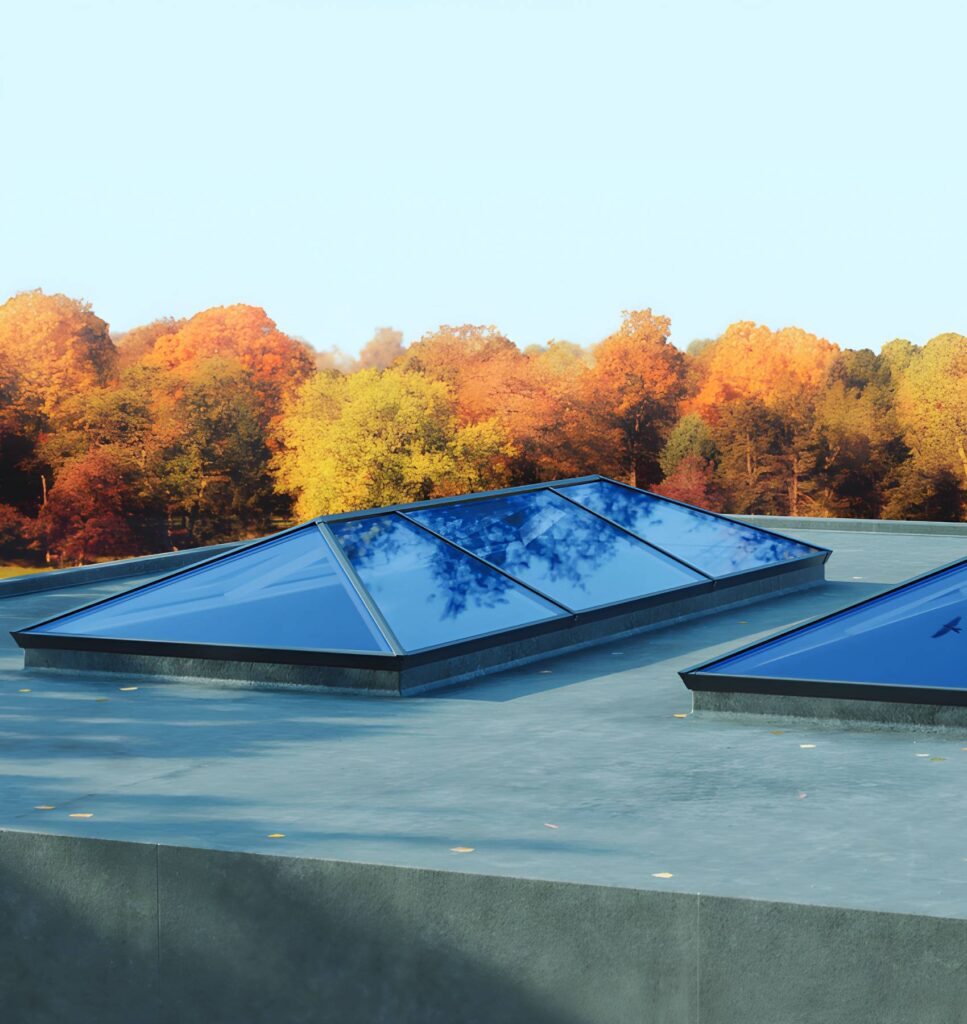
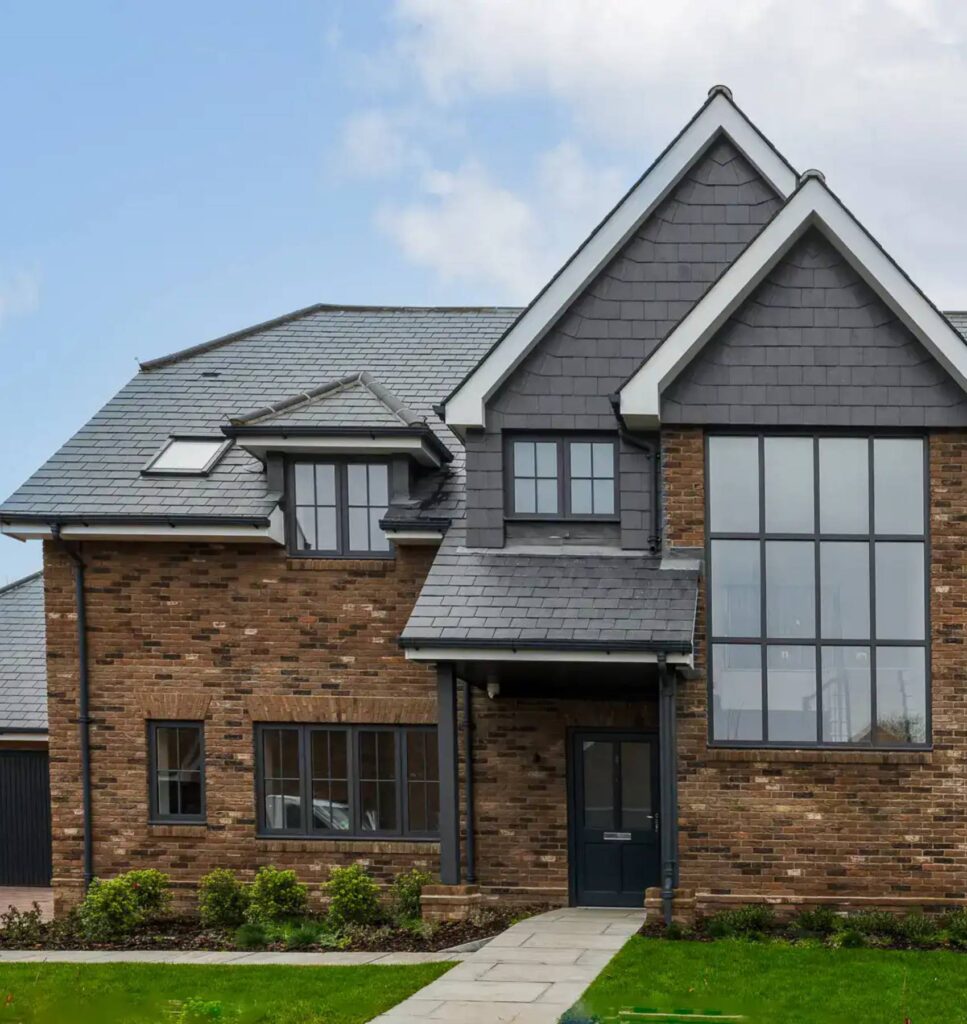
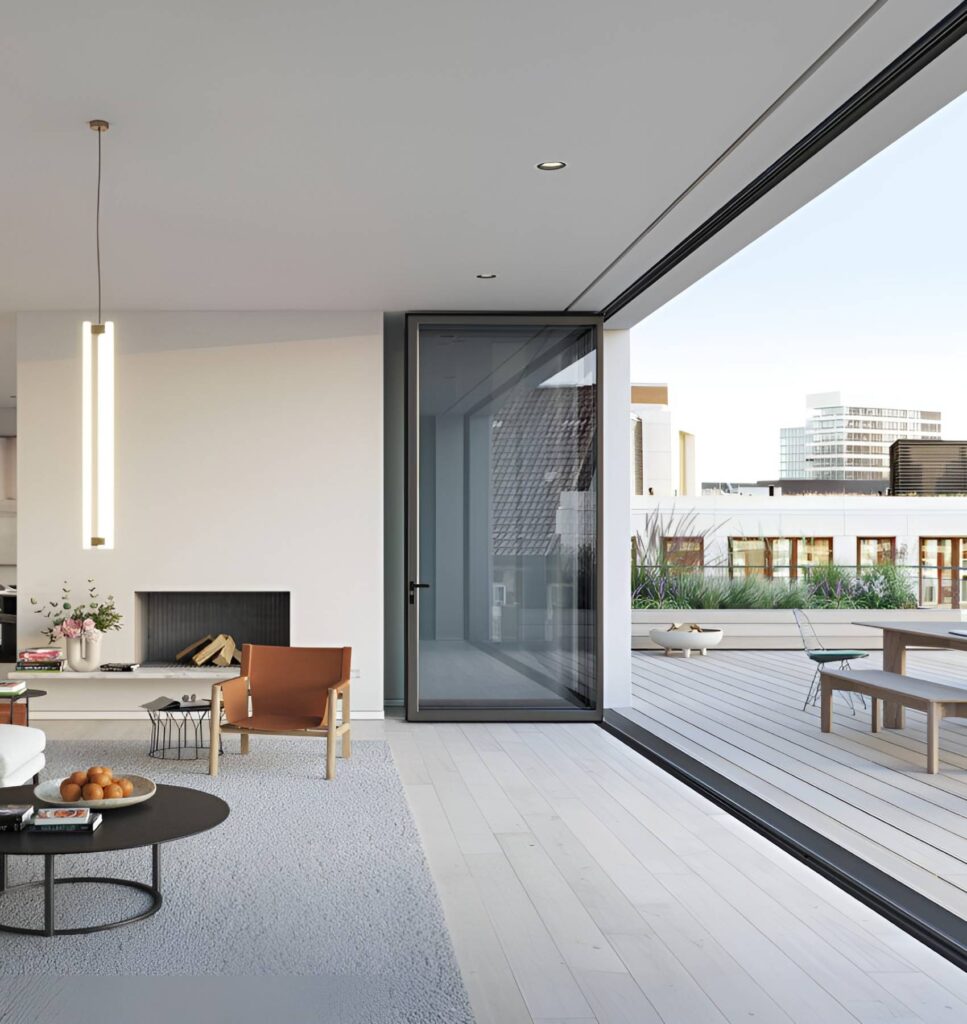
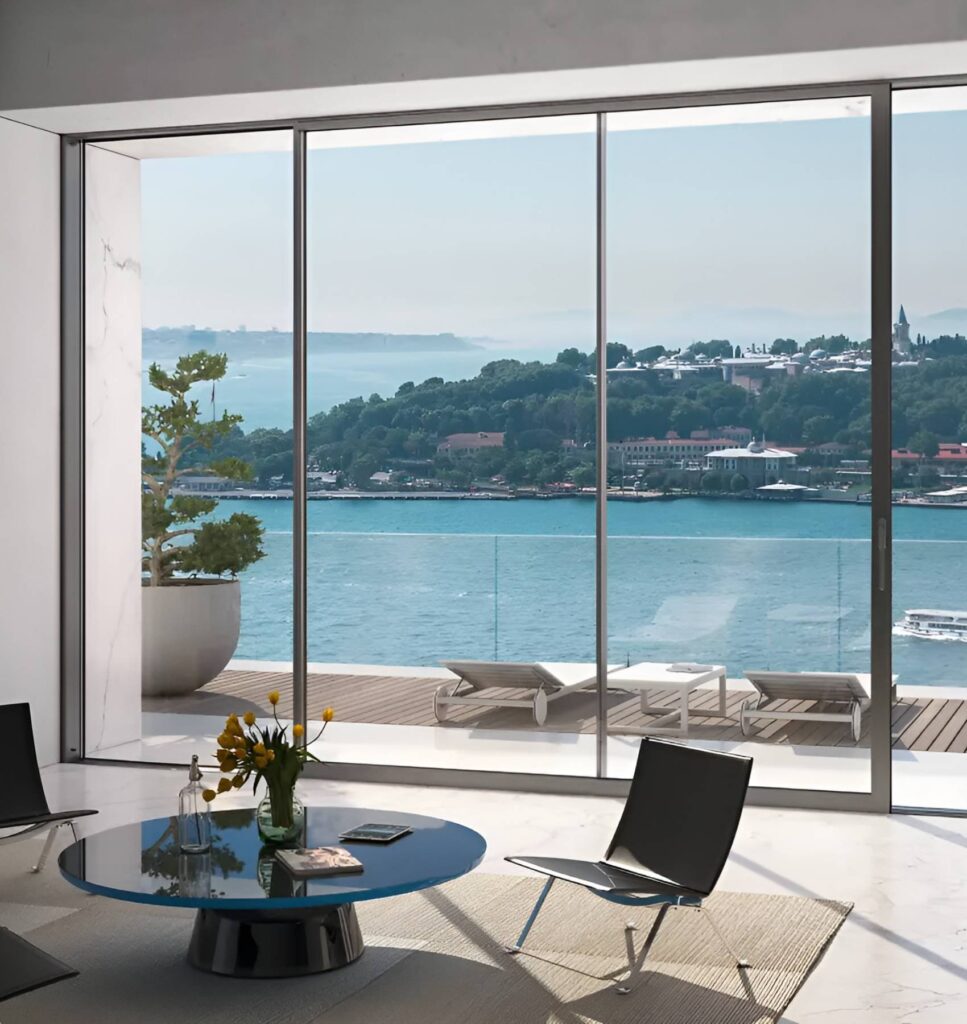
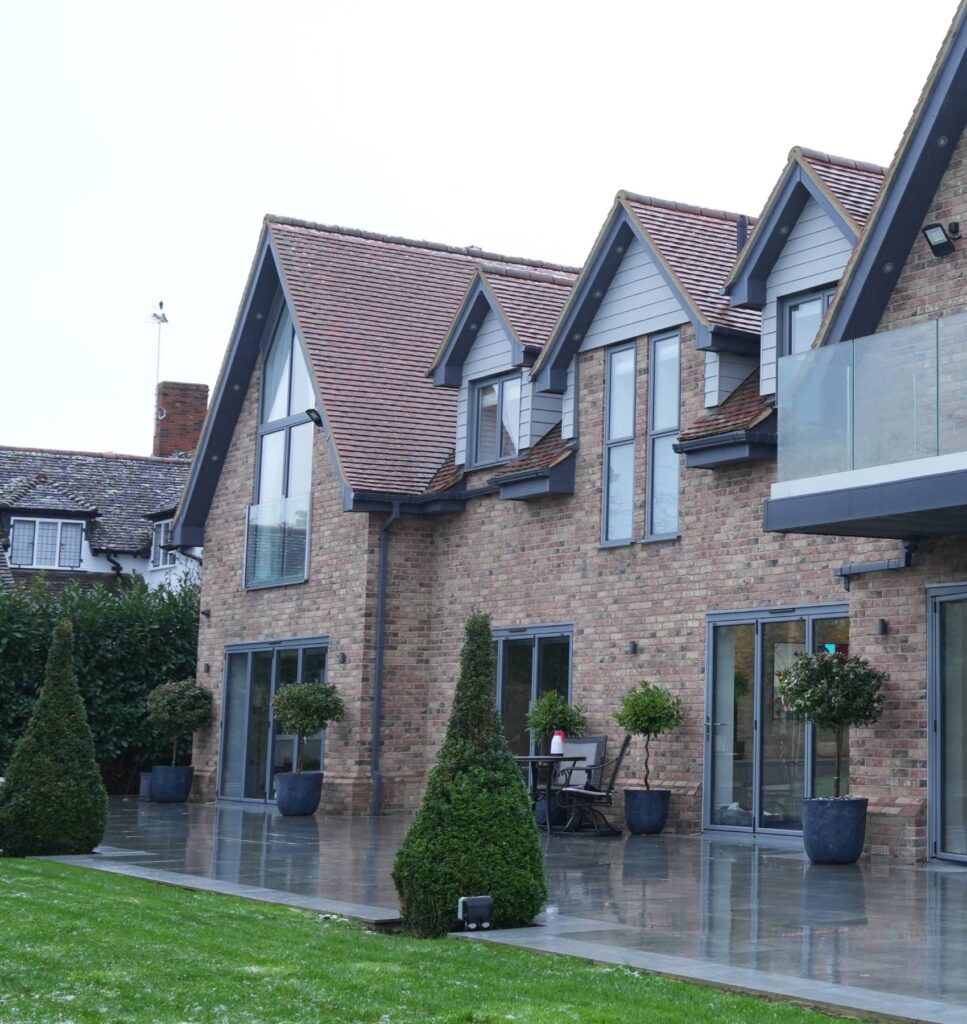
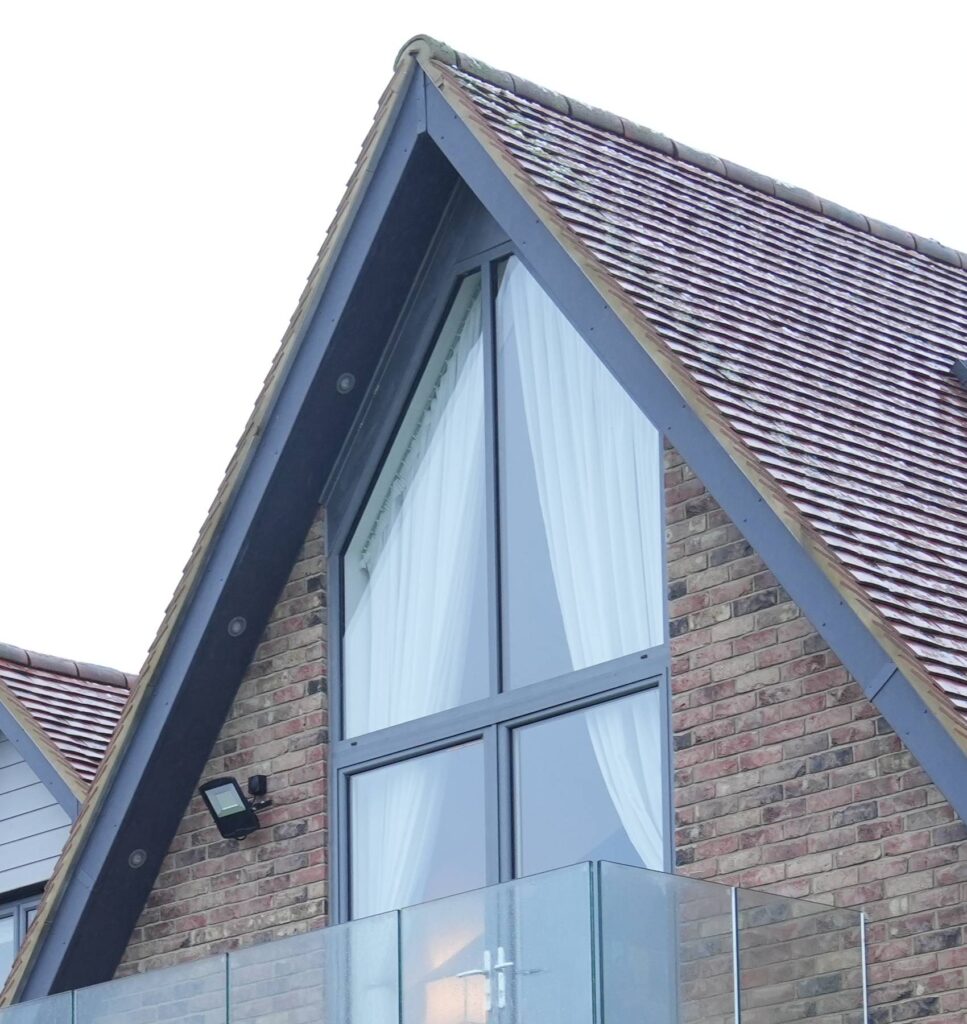
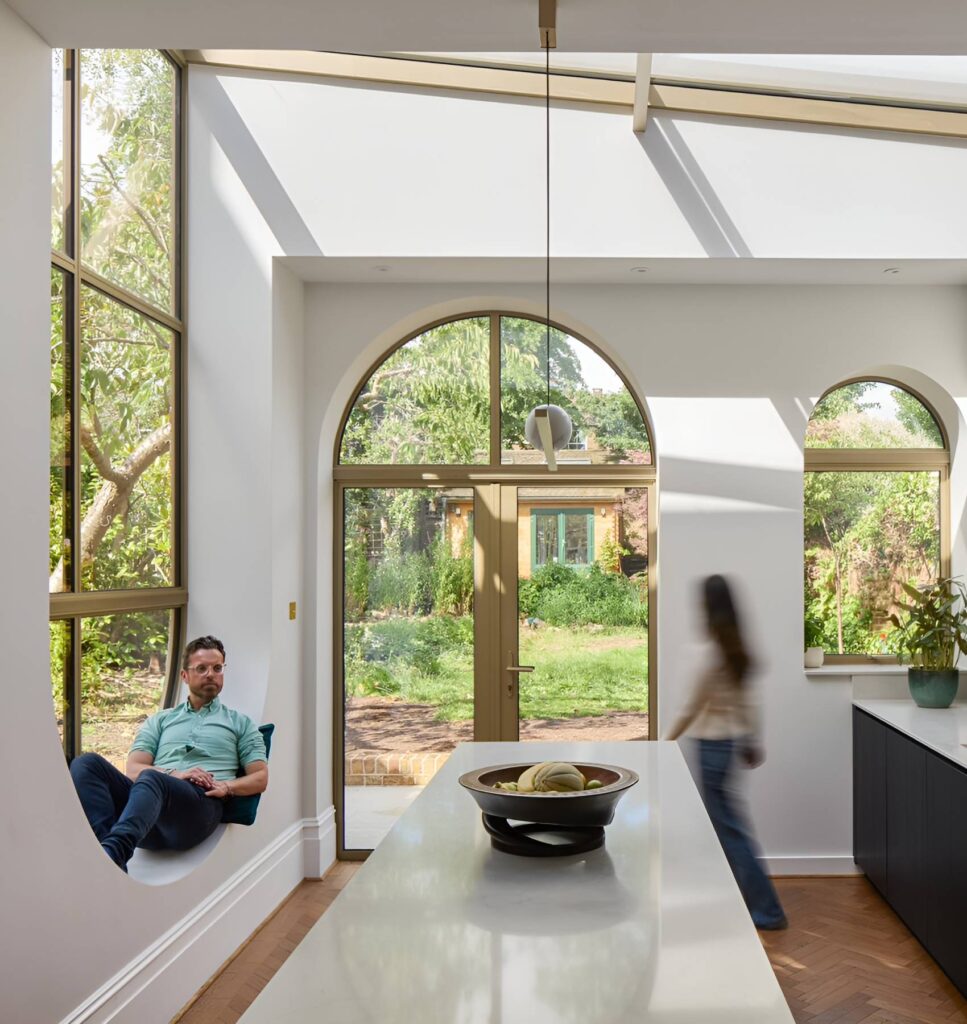
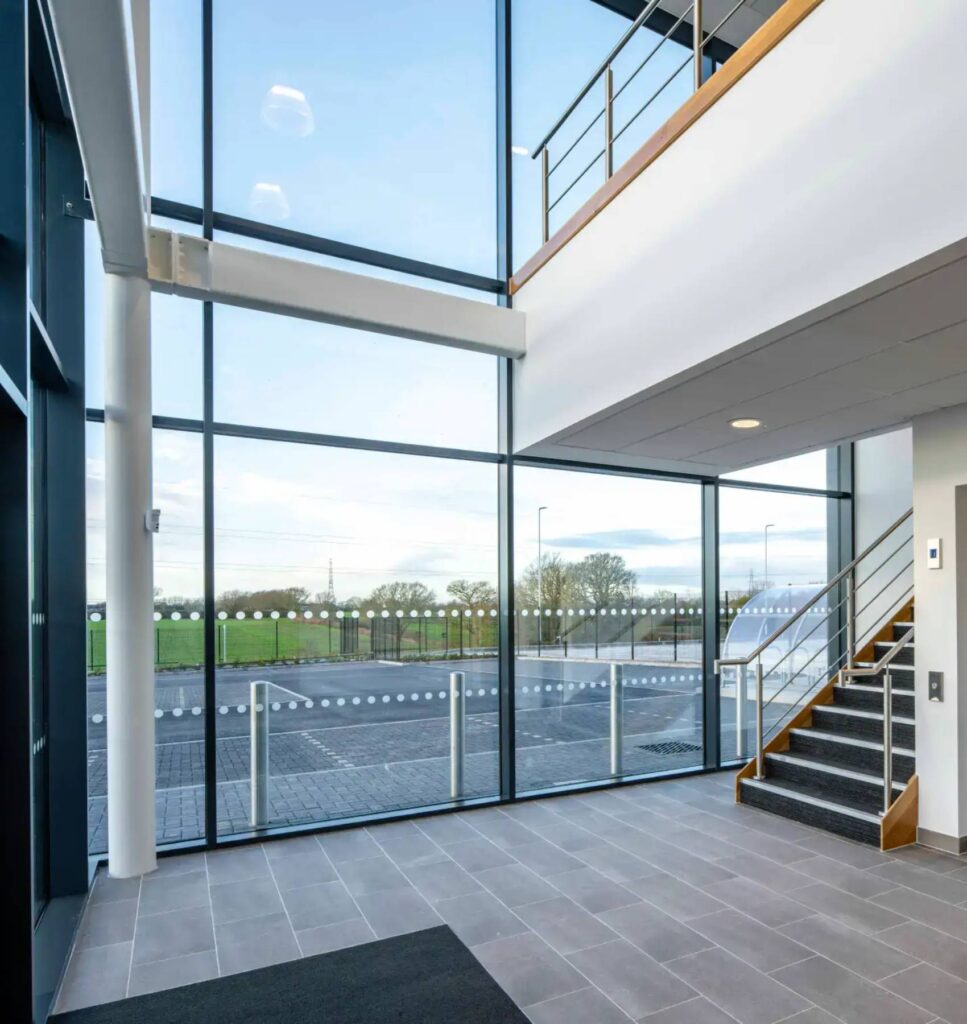
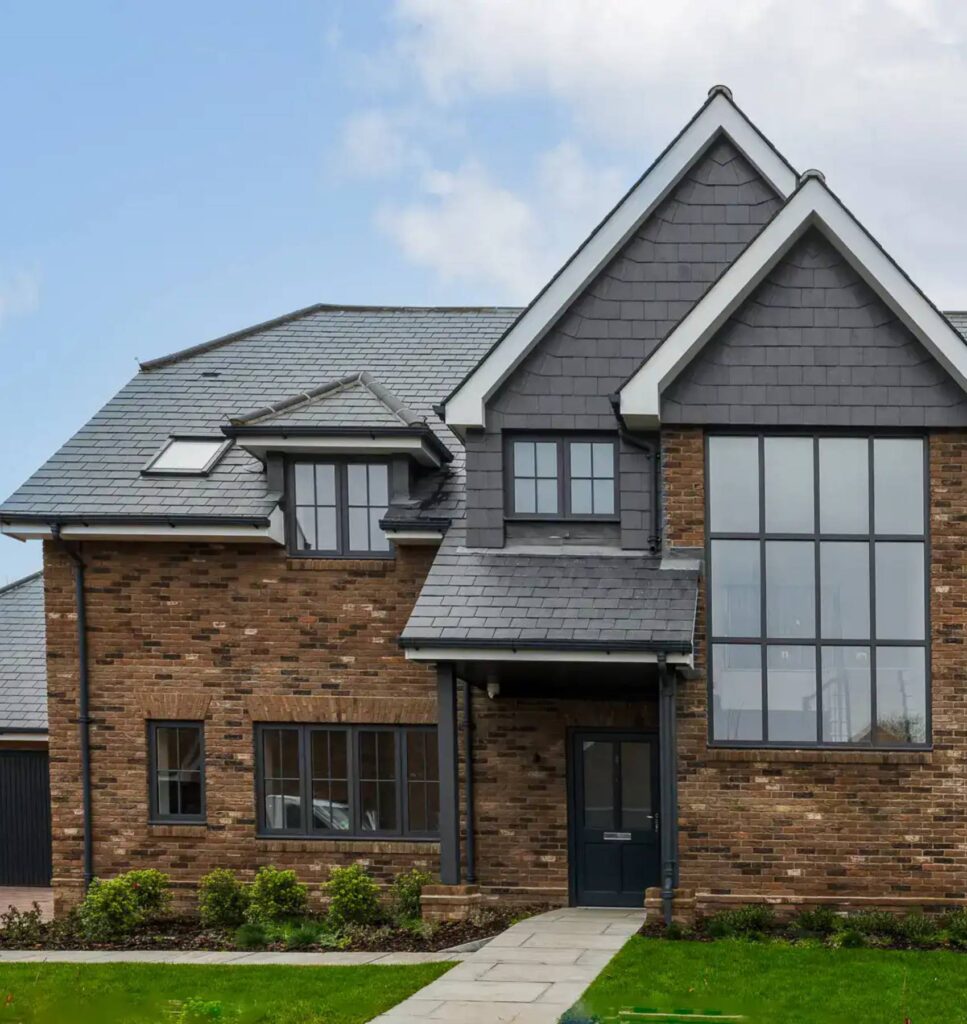
Aluminium windows are commonly chosen for their cleaner, slimmer appearance. Because aluminium is strong, frames can often be designed with narrower-looking profiles and larger glazed areas. That makes aluminium particularly attractive for modern extensions, large openings and homes where maximising daylight is a priority.
Which Is More Energy Efficient: uPVC or Aluminium?
Do not judge energy efficiency by material name alone. uPVC is naturally a low-conductivity material, while modern aluminium windows use thermal breaks to reduce heat transfer through the frame. In practice, the U-value, glazing specification, seals, spacer system and overall window design are more useful comparison points than simply choosing “uPVC” or “aluminium”.
When comparing quotations, ask for the declared thermal performance of the exact system being proposed. For more detail on how metal frames manage heat transfer, see our guide to thermal breaks in aluminium windows.
Security: Which Material Is Stronger?
Aluminium is a naturally rigid material, but frame strength is only one part of window security. A secure window also depends on the profile design, locking hardware, glazing, fixings and installation. Well-specified uPVC and aluminium windows can both provide strong residential security, so compare the complete system rather than assuming the frame material tells the whole story.
Durability and Maintenance
Both materials are designed to be low maintenance compared with traditional timber. uPVC frames are weather resistant and generally need routine cleaning rather than repainting. Aluminium frames are also low maintenance, with durable factory-applied finishes available in a wide range of colours.
For durability, the quality of the profile, finish, hardware and installation matters. Aluminium is especially useful where rigidity and larger frame sizes are required, while a quality uPVC system remains a robust option for everyday residential replacement windows.
Cost: Is uPVC Cheaper Than Aluminium?
uPVC is generally the lower-cost option upfront, while aluminium is usually positioned as a premium material. The final quotation will depend on window size, style, glazing, colour, hardware, number of openings, installation requirements and the chosen system.
Rather than relying on a generic percentage difference, compare like-for-like specifications. A lower initial cost may matter most on a large whole-home replacement project, while a homeowner prioritising slim sightlines or a particular architectural finish may place more value on aluminium.
Which Material Suits Different Homes?
uPVC
You want a cost-conscious, low-maintenance replacement window with broad styling options. It can work well across many family homes, traditional properties and renovation projects where budget and practical performance are central to the decision.
Aluminium
You want a more minimal frame appearance, larger areas of glass or a premium contemporary finish. It is particularly well suited to modern extensions, design-led refurbishments and projects where slim sightlines are an important part of the architecture.
If you are still deciding, browse our full window range and compare the specific aluminium and uPVC systems available for your project.
So, Are Aluminium Windows Better Than uPVC?
Aluminium windows can be the better fit for homeowners who prioritise slim sightlines, structural strength and a premium contemporary appearance. uPVC can be the better fit when keeping the initial cost down while retaining low maintenance and strong everyday performance is more important. The best material is the one that meets the specification of your home and project.
Compare Aluminium and uPVC Windows with Chigwell Window Centre
Chigwell Window Centre supplies and installs both materials, allowing you to compare them side by side rather than being pushed toward a single option. Explore our aluminium windows, uPVC windows and wider window range, or request a quotation for the specification that best suits your property.
Frequently Asked Questions
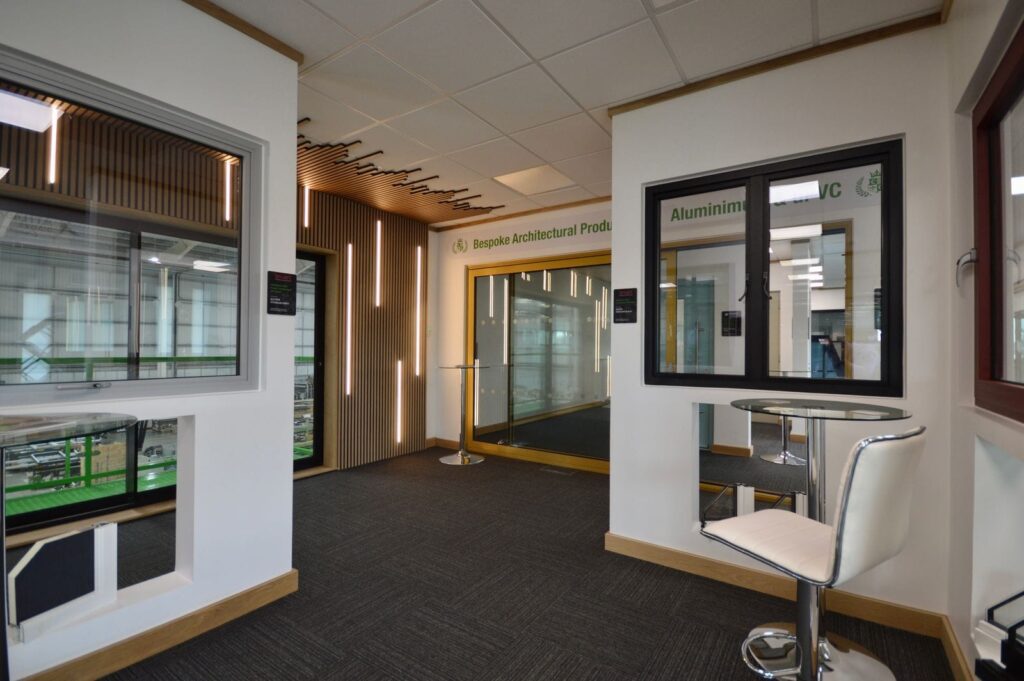
Answers to common questions about uPVC and aluminium windows. To compare both materials in person, visit one of our showrooms.
Not universally. Aluminium is often chosen for slimmer frames, larger glazed areas and a premium contemporary look. uPVC is often chosen for lower upfront cost, familiar styling and low-maintenance value. Compare the complete window specification before deciding.
Both can provide strong thermal performance. uPVC is naturally low-conductivity, while modern aluminium systems use thermal breaks. The most useful comparison is the declared U-value and glazing specification of the exact window system.
uPVC is generally the lower-cost option upfront. Aluminium is usually positioned as a premium material, but the final price depends on size, style, glazing, colour, hardware, installation and system choice.
Both are low-maintenance options. Routine cleaning is normally the main requirement, although hardware, seals and drainage should still be checked as part of normal window care.
Both can be secure when properly specified and installed. Aluminium is a strong, rigid frame material, but overall security also depends on the locking system, glazing, profile design, fixings and installation.
Aluminium is often selected for modern extensions because slim-looking frames and larger glazed areas can suit contemporary architecture. uPVC can still be appropriate where budget, colour options or a particular window style are more important.