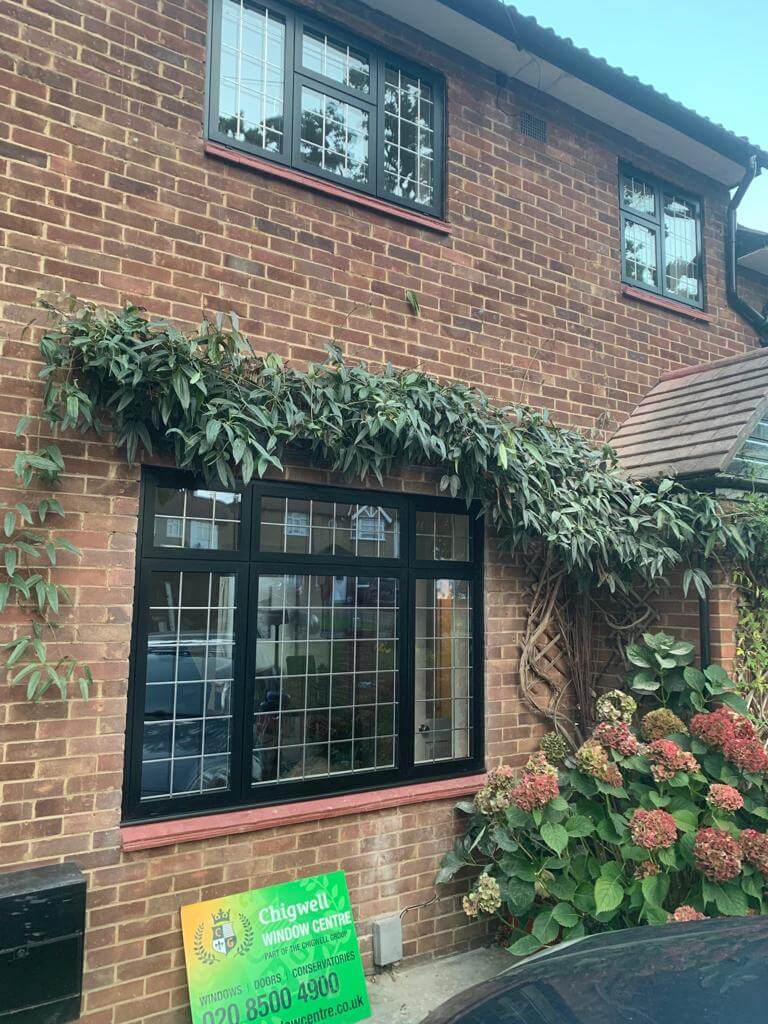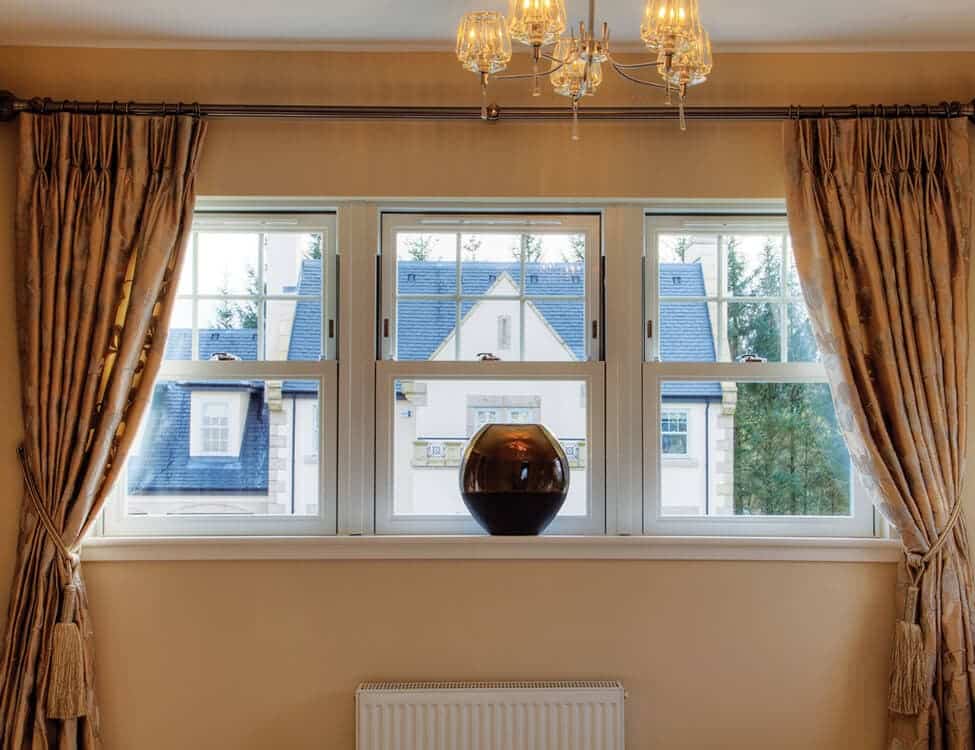


Aluminium vs uPVC Windows: Your Ultimate Guide
Choosing new windows is one of the biggest decisions homeowners make during a renovation or property improvement project. The right windows can improve comfort, reduce energy bills, enhance security, and transform the appearance of your home.
Understanding the Two Materials
One of the most common questions we hear at Chigwell Window Centre is: aluminium vs uPVC windows – which is the better choice?
The answer depends on your priorities. Some homeowners are looking for the most cost-effective solution. Others want slim sightlines, maximum durability, or a premium contemporary appearance. Both materials offer excellent performance, but they excel in different areas.
At Chigwell Window Centre, we manufacture both aluminium and uPVC windows, giving us an objective perspective on the strengths of each system. With showrooms in Colchester, Barnham, Brentwood, Loughton, Epsom and Romford, we help homeowners across the South East of England choose the right products for their homes every day.
In this guide, we’ll compare aluminium and uPVC windows in detail so you can decide which windows are best for your property.
What Are uPVC Windows?
uPVC stands for unplasticised polyvinyl chloride. It has been the UK’s most popular window material for decades because it combines affordability, durability and energy efficiency. Modern uPVC windows feature multi-chambered frames, advanced weather seals and high-performance glazing. They are available in a wide range of styles, colours and finishes, making them suitable for both traditional and modern properties.
What Are Aluminium Windows?
Aluminium windows use strong metal frames that allow for slimmer profiles and larger glass areas. They have become increasingly popular in contemporary homes, extensions and renovation projects. Today’s thermally broken aluminium frames are designed to minimise heat transfer and deliver excellent thermal performance. Their strength allows for larger windows with narrower frames, maximising natural light and providing uninterrupted views.
Aluminium vs uPVC Windows at a Glance
Both materials offer excellent performance. Here is how they compare across the key areas homeowners care about most.
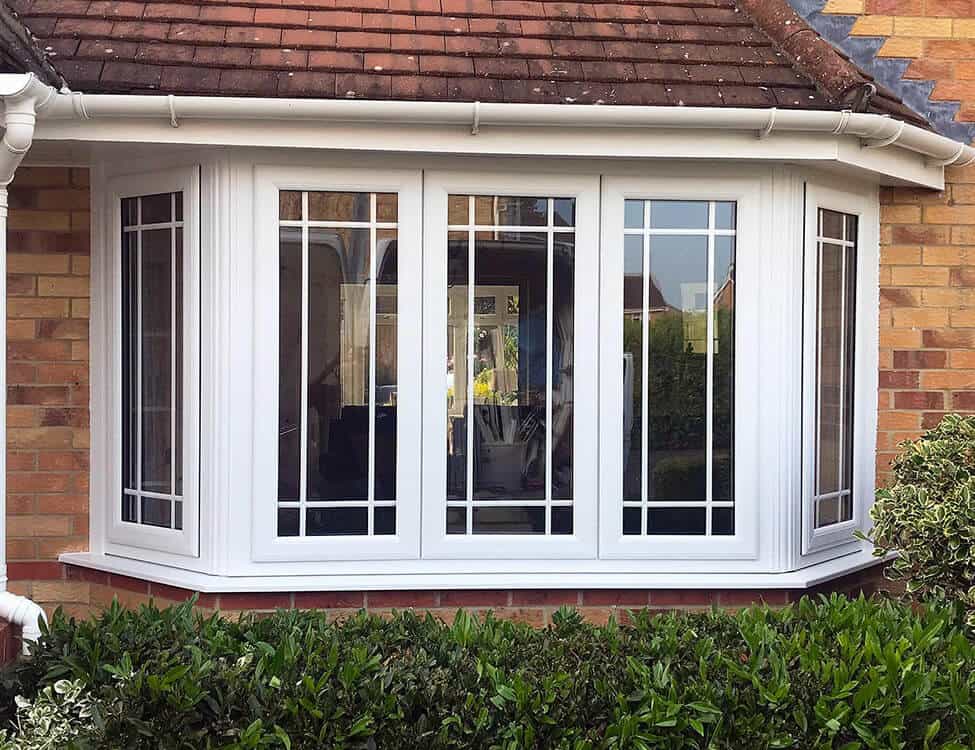
uPVC Windows
- Lower upfront cost
- Excellent thermal efficiency
- Wide range of colours and woodgrain finishes
- Very low maintenance required
- Lifespan of 20–35 years
- Best for traditional and period homes
- Most cost-effective replacement option
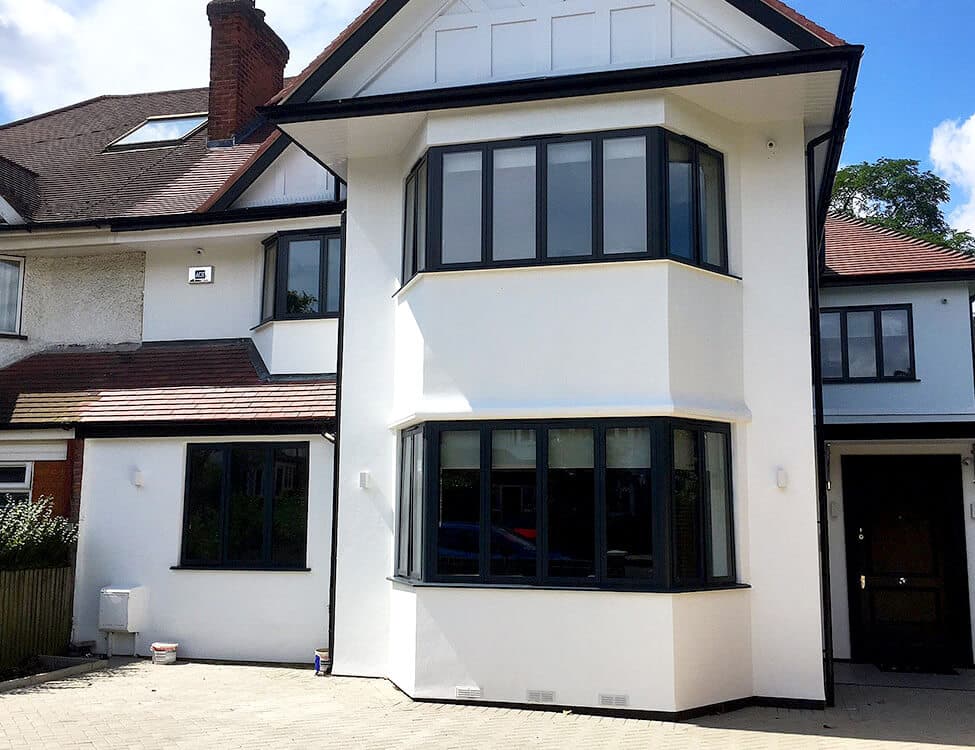
Aluminium Windows
- Premium appearance with slim sightlines
- Exceptional structural strength
- Larger glass areas and more natural light
- Very low maintenance required
- Lifespan of 40–45+ years
- Best for contemporary and modern homes
- 100% recyclable
How Do They Compare?
We compare aluminium and uPVC windows across six areas that matter most to homeowners: energy efficiency, security, appearance, durability, maintenance and cost.
01
uPVC Windows — Energy Efficiency
uPVC is naturally insulating. Modern frames contain multiple internal chambers that trap warm air and reduce heat loss. Combined with high-performance double or triple glazing, uPVC windows can achieve excellent energy ratings and help maintain comfortable indoor temperatures throughout the year. Benefits include reduced heat loss, lower energy bills, improved comfort and better sound insulation.
01
Aluminium Windows — Energy Efficiency
Historically, aluminium had a reputation for poor thermal performance because metal conducts heat. However, modern aluminium windows use thermal break technology — a barrier between the inner and outer frame sections that dramatically improves insulation. As a result, high-quality aluminium windows can now deliver thermal performance comparable to many uPVC systems.
WINNER
Draw
For most homeowners, both modern aluminium and uPVC windows offer excellent thermal efficiency. The quality of the window system and glazing package often has a greater impact than the frame material itself.
02
uPVC Windows — Security
Modern uPVC windows are fitted with advanced locking systems, reinforced frames and secure glazing options. For everyday residential security, quality uPVC windows provide excellent protection and meet current industry standards.
02
Aluminium Windows — Security
Aluminium’s natural strength gives it a significant advantage. The material is highly resistant to bending, twisting and impact damage. Because aluminium frames are inherently stronger, they can better withstand attempted forced entry. Their rigidity also helps maintain alignment over time, ensuring locking mechanisms continue to perform effectively for years.
WINNER
Aluminium
Both materials are secure, but aluminium offers the highest level of structural strength and durability against forced entry.
03
uPVC Windows — Appearance
uPVC remains incredibly versatile. Modern manufacturing allows homeowners to choose from a wide selection of colours, woodgrain finishes and traditional designs. They are particularly well suited to traditional properties, period-inspired homes, cottage-style properties and standard residential developments throughout Essex.
03
Aluminium Windows — Appearance
Aluminium has become the preferred choice for contemporary architecture. Its strength allows for slimmer frames and larger glass panels, creating a cleaner and more modern appearance. Many homeowners choose aluminium because it maximises natural light, creates uninterrupted views, delivers a premium aesthetic and complements modern extensions.
WINNER
Depends on Your Home
For traditional homes, uPVC often looks more appropriate. For contemporary properties and large glazed areas, aluminium is usually the preferred choice.
04
uPVC Windows — Durability and Lifespan
High-quality uPVC windows typically last between 20 and 35 years. They are weather-resistant and will not rot, but over many years of exposure to sunlight, some lower-quality products can fade or become brittle.
04
Aluminium Windows — Durability and Lifespan
Aluminium is exceptionally durable. Premium aluminium windows regularly achieve lifespans of 40 to 45 years or more. They resist warping, corrosion and weather damage extremely well. Their structural strength also means they maintain their appearance and performance for longer.
WINNER
Aluminium
If longevity is a top priority, aluminium windows generally offer the longer lifespan and represent a stronger long-term investment.
05
uPVC Windows — Maintenance
uPVC requires little more than occasional cleaning with warm soapy water. Unlike timber, it does not need painting, staining or sealing. This makes it one of the lowest-maintenance window options available.
05
Aluminium Windows — Maintenance
Powder-coated aluminium finishes are extremely durable and resistant to fading, peeling and flaking. Routine cleaning is usually all that is needed to keep aluminium frames looking their best for decades.
WINNER
Draw
Both options are exceptionally easy to maintain and will not require the regular upkeep associated with traditional timber windows.
06
uPVC Windows — Cost
uPVC remains the most affordable window material on the market. Its lower manufacturing costs make it accessible for a wide range of renovation budgets without compromising on performance or quality.
06
Aluminium Windows — Cost
Aluminium is generally considered a premium product. Depending on the design and specification, aluminium windows often cost around 20 to 40% more than equivalent uPVC systems. However, many homeowners consider the additional investment worthwhile due to the enhanced appearance, durability and lifespan.
WINNER
uPVC
If achieving excellent performance at the lowest upfront cost is the priority, uPVC windows are usually the better option.
Environmental Considerations
Sustainability is becoming increasingly important for homeowners. Modern uPVC windows can be recycled and contribute to improved household energy efficiency. However, aluminium has a particularly strong environmental profile — it is 100% recyclable and can be reused repeatedly without losing quality. Many modern aluminium systems also contain recycled material, helping reduce their environmental impact. For homeowners prioritising sustainability, aluminium often has the edge due to its longevity and recyclability.
Which Windows Are Best for Your Home?
The right choice depends on your budget, property style and long-term goals. The reality is that there is no universal winner.
Choose uPVC Windows If...
- You have a tighter budget
- You want maximum value for money
- You live on a busy road and want strong acoustic insulation
- You prefer traditional window aesthetics
- You’re replacing windows throughout a larger property
Choose Aluminium Windows If...
- You want a premium contemporary appearance
- You love modern architecture and slim sightlines
- You need large glazing areas
- You want the longest possible lifespan
- You’re planning a modern extension or renovation
- Sustainability is a priority for you
So, Aluminium or uPVC?
If affordability, thermal efficiency and value are your main concerns, uPVC windows remain an excellent choice — they continue to be the UK’s most popular window material for good reason. If you’re looking for slim sightlines, exceptional durability, maximum security and a premium aesthetic, aluminium windows may justify the higher investment.
Get Your Aluminium & uPVC Windows Today
At Chigwell Window Centre, we help homeowners compare both options every day. Because we are British manufacturers of both aluminium and uPVC systems, we can provide impartial guidance based on what suits your home best.
With high-performance windows and doors available across the South East of England, and showrooms in Colchester, Barnham, Brentwood, Loughton, Epsom and Romford, our team can help you find the perfect solution for your project.
Whether you’re renovating a period property, upgrading your family home or designing a modern extension, we’re here to help you make the right choice.
Get in touch with Chigwell Window Centre today to explore our full range of aluminium and uPVC windows and discover which option is best for your home.